With 3. Business Interviews at the forefront, preparing for an interview can often feel like stepping into the unknown. It’s a crucial opportunity to showcase one’s abilities and fit for a role while navigating a myriad of questions. Understanding the dynamics of business interviews can turn a daunting experience into a confident exchange of ideas.
Preparation is key to success, covering everything from researching the company to anticipating questions. This not only boosts confidence but also allows for effective communication during the interview. By mastering these aspects, candidates can transform their interview experience into a valuable interaction that reflects their true potential.
Business Interviews
Preparing for a business interview is a crucial step that can significantly influence your chances of success. A well-prepared candidate not only demonstrates professionalism but also showcases their genuine interest in the role and the company. In today’s competitive job market, understanding the nuances of business interviews can set you apart from other candidates.
Importance of Preparation Before a Business Interview
Preparation is essential for several reasons. It helps you to:
- Understand the company culture, values, and mission, which allows you to align your answers with their expectations.
- Anticipate common interview questions, enabling you to craft thoughtful and relevant responses.
- Boost your confidence, making you more articulate and poised during the interview.
- Prepare insightful questions to ask the interviewer, demonstrating your engagement and interest.
Types of Questions Typically Asked in Business Interviews
Interviews often consist of various question types designed to assess your skills, experiences, and fit for the company. Common categories include:
- Behavioral Questions: These questions explore how you’ve handled past situations, such as conflicts or challenges.
- Situational Questions: Hypothetical scenarios are presented to gauge your problem-solving abilities.
- Technical Questions: Depending on the role, you may be asked to demonstrate specific skills or knowledge.
- General Questions: Common inquiries that assess your strengths, weaknesses, and career aspirations.
Strategies for Effective Communication During Interviews
Effective communication is key to making a positive impression. Here are some strategies to enhance your communication skills:
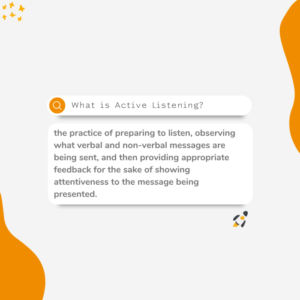
- Active Listening: Pay attention to the interviewer’s questions and comments. Acknowledge their points before responding.
- Clear and Concise Responses: Aim for clarity in your answers. Provide examples where possible to illustrate your points.
- Nonverbal Communication: Maintain eye contact, use appropriate gestures, and be mindful of your body language.
- Practice: Conduct mock interviews with friends or mentors to refine your delivery and receive constructive feedback.
Business Innovation
Innovation drives growth and competitiveness in today’s fast-paced business environment. It is essential for organizations to adapt and evolve to stay relevant. Understanding the key factors that foster innovation can lead to transformative ideas and successful practices.
Key Factors That Drive Innovation in Businesses
Several elements contribute to a culture of innovation:
- Leadership Support: Leaders who encourage experimentation and accept failure as part of the innovation process can foster creativity.
- Collaboration: Diverse teams that collaborate can combine different perspectives and skills, leading to innovative solutions.
- Resources: Adequate funding and access to technology are critical for developing and implementing new ideas.
- Market Awareness: Understanding customer needs and market trends can inspire innovation that directly addresses gaps in the market.
Examples of Successful Innovative Practices in Various Industries
Many organizations have successfully implemented innovative practices that have redefined their industries:
- Netflix: Transitioned from DVD rentals to a streaming service, revolutionizing content consumption.
- Apple: Continually innovates in product design and user experience, maintaining a loyal customer base.
- Tesla: Disrupted the automotive industry with electric vehicles and a direct-to-consumer sales model.
- Amazon: Innovated logistics and customer service with technologies like drone delivery and AI-driven recommendations.
Methods for Fostering a Culture of Creativity Within an Organization
Creating an environment that encourages creativity involves several strategies:
- Encourage Open Communication: Create channels for employees to share ideas without fear of criticism.
- Provide Training: Offer workshops and courses that enhance creative thinking and problem-solving skills.
- Implement Flexible Work Arrangements: Allowing remote work or flexible hours can lead to increased job satisfaction and creativity.
- Recognize and Reward Innovation: Celebrating successful innovative efforts can motivate employees to think outside the box.
International Business

Globalization has reshaped international business practices, presenting both opportunities and challenges. Understanding the dynamics of global trade and market entry strategies is essential for businesses looking to expand internationally.
Impact of Globalization on International Business Practices
Globalization has led to significant changes in how businesses operate internationally:
- Increased Market Access: Businesses can reach customers worldwide, expanding their potential customer base.
- Enhanced Competition: Companies face competition not just from local businesses but also from international players.
- Supply Chain Optimization: Global sourcing has become common, allowing businesses to reduce costs and improve efficiency.
- Cultural Integration: Companies must navigate and respect different cultural norms and practices when operating internationally.
Strategies for Entering Foreign Markets Effectively
To successfully enter foreign markets, businesses can employ various strategies:
- Market Research: Conduct thorough research to understand local market conditions, consumer behavior, and regulations.
- Partnerships: Consider joint ventures or partnerships with local firms to leverage their market knowledge and networks.
- Adaptation: Customize products or services to meet local tastes and preferences.
- Regulatory Compliance: Ensure compliance with local laws and regulations to avoid legal issues.
Challenges Faced by Businesses in International Settings
Operating in international markets presents unique challenges, including:
- Political Risks: Changes in government policies or political instability can impact business operations.
- Currency Fluctuations: Exchange rate volatility can affect profitability and pricing strategies.
- Cultural Barriers: Misunderstanding cultural nuances can lead to ineffective communication and marketing efforts.
- Supply Chain Complexities: Managing logistics across borders can be more complicated than domestic operations.
End of Discussion
In conclusion, approaching business interviews with the right preparation and mindset can significantly impact your career trajectory. By anticipating questions and honing your communication skills, you set the stage for a successful dialogue that highlights your strengths. Remember, each interview is not just a chance to land a job, but also an opportunity to learn and grow in your professional journey.
FAQ Insights
What should I wear to a business interview?
Wearing professional attire is recommended, typically formal business wear like a suit. Ensure it is clean and well-fitted.
How can I follow up after an interview?
Sending a thank-you email to your interviewer within 24 hours can reinforce your interest and professionalism.
What if I don’t know the answer to a question?
It’s okay to admit you don’t know but express your willingness to learn. You can also ask for clarification or provide a thoughtful guess.
How long should a business interview last?
Typically, business interviews last between 30 minutes to an hour, depending on the role and interview format.
What are behavioral interview questions?
These are questions designed to assess how you’ve handled situations in the past, often focusing on your problem-solving and interpersonal skills.