Decision-making frameworks provide essential structure to the often chaotic process of making choices in business. They serve as guiding principles that help organizations navigate complex scenarios, ensuring that decisions are made thoughtfully and strategically.
Different frameworks cater to various business needs, ranging from risk assessment to marketing strategies, allowing companies to adapt their decision-making processes to fit specific challenges and opportunities. By employing these frameworks, businesses can not only enhance their operational efficiency but also foster innovation and collaboration within their teams.
Understanding Decision-Making Frameworks
The role of decision-making frameworks in business cannot be overstated. These frameworks serve as structured approaches that aid organizations in making informed choices that align with their strategic objectives. By utilizing systematic methodologies, companies can navigate complexities and uncertainties in their decision-making processes.There are various types of decision-making frameworks, each tailored for specific applications. Common frameworks include the Rational Decision-Making Model, the SWOT Analysis, and the Decision Matrix.
Each of these frameworks offers unique benefits, such as simplifying complex choices, prioritizing alternatives, and evaluating potential outcomes.
Types of Decision-Making Frameworks
Rational Decision-Making Model
This linear model assists businesses in making decisions based on logical reasoning and objective analysis.
SWOT Analysis
By assessing internal strengths and weaknesses alongside external opportunities and threats, companies can develop comprehensive strategies.
Decision Matrix
This tool helps compare multiple options against set criteria, enabling clear visual decision-making.Successful companies like Apple and Google have effectively employed these frameworks, driving innovation and enhancing their market positions. Their structured approaches have allowed them to respond adeptly to market changes and consumer needs.
Business Innovation and Decision-Making
Decision-making frameworks are pivotal in fostering business innovation. By providing a structured process to evaluate new ideas and initiatives, these frameworks encourage organizations to explore creative solutions while mitigating risks. Case studies illustrate how innovative decisions can lead to significant business growth. For instance, Netflix’s pivot from DVD rentals to streaming services exemplifies how innovative thinking, supported by strategic frameworks, can redefine an entire industry.
Tools Supporting Innovative Decision Frameworks
To support innovative decision-making, companies often deploy tools such as:
Brainstorming Software
Facilitates group ideation sessions.
Project Management Tools
Helps track progress on innovative projects.
Data Analytics Platforms
Provides insights based on market trends and consumer behavior.These tools not only streamline the decision-making process but also foster a culture of innovation within organizations.
Decision-Making in International Business
Cultural differences significantly influence decision-making frameworks in international business contexts. Understanding these nuances is crucial for organizations operating across borders, as they must adapt their frameworks to fit diverse cultural environments.Challenges such as varying communication styles, differing values, and local market dynamics often arise when implementing decision frameworks globally. Companies must cultivate an awareness of these factors to avoid misalignment.
Developing Universal Decision-Making Frameworks
Strategies for creating a universal decision-making framework include:
Cultural Training
Equipping teams with knowledge about local cultures.
Collaborative Frameworks
Designing flexible models that incorporate diverse perspectives.
Feedback Mechanisms
Establishing channels for ongoing communication and adjustment.These strategies enable businesses to operate effectively in the international arena.
Decision-Making in Business Management
In effective business management, decision-making frameworks play a critical role. They provide managers with structured methodologies to tackle challenges, allocate resources efficiently, and set strategic objectives.Comparing traditional and modern decision-making approaches reveals a shift towards more collaborative and data-driven methods. Traditional approaches often relied on hierarchical decision-making, while modern strategies emphasize teamwork and technological integration.
Integrating Decision Frameworks into Management Practices
Techniques for integrating decision frameworks into management include:
Training Sessions
Educating employees on the importance of structured decision-making.
Regular Reviews
Conducting assessments of decision outcomes to refine frameworks.
Encouraging Open Communication
Fostering dialogue among team members to enhance collaborative decision-making.These techniques ensure that decision frameworks become a core component of management practices.
Marketing Decisions and Frameworks
Decision-making frameworks guide marketing strategies by providing a systematic approach to understanding consumer behavior and market trends. By leveraging frameworks, marketers can make informed decisions that enhance campaign effectiveness.Structured decision-making has influenced numerous successful marketing campaigns. For example, Coca-Cola’s “Share a Coke” campaign utilized data analytics frameworks to personalize marketing efforts, resulting in a notable increase in consumer engagement.
Evaluating Marketing Decisions

Metrics to evaluate the effectiveness of marketing decisions based on frameworks include:
Return on Investment (ROI)
Measures the profitability of marketing initiatives.
Customer Acquisition Cost (CAC)
Assesses the cost-effectiveness of attracting new customers.
Engagement Metrics
Monitors consumer interaction with marketing campaigns.These metrics provide valuable insights into the performance of marketing strategies.
Networking and Decision-Making
Networking plays an essential role in enhancing decision-making processes. Building relationships with industry peers and stakeholders can provide critical insights and diverse perspectives that inform decisions.Strategies for developing a supportive network include:
Networking Events
Attending industry conferences to connect with other professionals.
Online Platforms
Leveraging social media and professional networks for collaboration.
Mentorship Programs
Establishing relationships with mentors who offer guidance and expertise.By utilizing networking opportunities, businesses can refine their decision frameworks and improve outcomes.
Outsourcing Decisions and Frameworks
When it comes to outsourcing, decision-making criteria are vital to ensuring that companies make sound choices. Factors such as cost, quality, and supplier reliability need to be carefully evaluated.Outsourcing decisions do carry associated risks, including quality control issues and potential disruptions. Implementing robust frameworks can help mitigate these risks.
Frameworks for Outsourcing Decisions
Frameworks that assist businesses in making outsourcing decisions include:
Cost-Benefit Analysis
Evaluates the financial implications of outsourcing.
Risk Assessment Frameworks
Identify potential risks and devise mitigation strategies.
Supplier Evaluation Criteria
Establish standards for assessing potential partners.These frameworks enable businesses to make informed outsourcing choices that align with their strategic goals.
Decision-Making in Sales Management
Decision frameworks improve sales strategies by providing a systematic method for evaluating sales processes and identifying areas for improvement. Aligning sales processes with decision-making frameworks ensures that teams are operating efficiently and effectively. Best practices for achieving this alignment include regular training on frameworks and utilizing data analytics to guide decisions.
Tools for Sales Decision-Making
Tools that aid in sales decision-making for better outcomes include:
Customer Relationship Management (CRM) Systems
Streamline sales processes and improve customer interactions.
Sales Analytics Tools
Provide insights into sales performance and market trends.
Forecasting Software
Helps predict sales outcomes based on historical data.These tools assist sales teams in making data-driven decisions.
Risk Management and Decision-Making
Risk management is closely intertwined with decision-making frameworks. An effective decision-making process must incorporate risk assessment to navigate potential uncertainties successfully.Methods for assessing risks when making strategic decisions include:
Scenario Planning
Evaluates potential future scenarios and their impact on decisions.
Risk Mitigation Strategies
Formulates plans to address identified risks.
Quantitative Risk Analysis
Uses statistical methods to quantify risks and assess their impact.Case studies reveal that organizations employing risk management frameworks have achieved better decision outcomes, emphasizing the importance of this integration.
Strategic Planning and Decision Frameworks
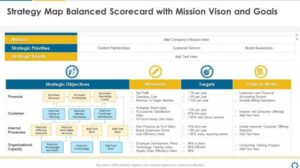
Decision-making frameworks play a crucial role in effective strategic planning. They help organizations align their short-term actions with long-term goals, ensuring coherence in their objectives.Aligning strategies requires organizations to employ frameworks that accommodate both immediate needs and future aspirations. Tools such as Balanced Scorecards and Strategic Roadmaps can facilitate this alignment.
Tools for Strategic Decisions
Tools that aid in strategic decisions based on established frameworks include:
Balanced Scorecard
Assesses organizational performance across multiple dimensions.
Strategic Planning Software
Streamlines the planning process and tracks progress.
KPI Dashboards
Monitors key performance indicators to gauge success.These tools support organizations in making informed strategic decisions.
Team Building and Decision-Making
Group dynamics significantly impact decision-making processes. Understanding how teams interact and make decisions is essential for effective collaboration and achieving desired outcomes.Facilitating effective team decision-making can involve several strategies, such as:
Diverse Team Composition
Bringing together individuals with varied backgrounds and skills.
Structured Decision-Making Processes
Implementing frameworks that guide team discussions and choices.
Conflict Resolution Techniques
Establishing methods for addressing disagreements constructively.These strategies enhance collaborative decision-making in teams.
Workplace Communication and Decision-Making
Effective communication is a cornerstone of successful decision-making frameworks. Clear communication ensures that all team members understand the decision-making process and their roles within it.Improving communication can lead to better decision outcomes through:
Regular Updates
Keeping teams informed about decisions and changes.
Open Feedback Channels
Encouraging input and suggestions from all members.
Use of Collaborative Tools
Implementing platforms that facilitate dialogue and idea-sharing.Successful communication practices in organizations enhance the effectiveness of decision-making frameworks.
Decision-Making for Small Businesses
Small businesses face unique challenges in decision-making, primarily due to limited resources and market presence. Tailored frameworks can help these businesses navigate their specific situations effectively.Frameworks specifically designed for small business decision processes often prioritize simplicity and adaptability.
Scaling Decision-Making Approaches
Methods to scale decision-making approaches as a business grows include:
Incremental Processes
Gradually introducing more structured decision-making as complexity increases.
Leveraging Technology
Utilizing software tools that support decision-making.
Continuous Learning
Adapting frameworks based on feedback and outcomes as the business evolves.These methods empower small businesses to make effective decisions that can sustain growth.
Venture Capital and Decision Frameworks

Decision-making frameworks play a vital role in attracting venture capital. Investors often seek structured approaches that demonstrate a startup’s ability to make informed and strategic decisions.Investor expectations typically revolve around the clarity and robustness of a company’s decision-making structures. Startups that present well-defined frameworks tend to instill confidence and attract more interest from potential investors.
Success Stories in Securing Funding
Success stories of businesses that secured funding through robust decision frameworks include:
Airbnb
Presented a clear understanding of market dynamics and consumer behavior to venture capitalists.
Slack
Leveraged data-driven decision-making to optimize product development and enhance user experience.These companies illustrate how effective decision-making frameworks can facilitate growth and funding opportunities.
Epilogue
In conclusion, understanding and utilizing decision-making frameworks is crucial for any organization aiming for sustained growth and adaptability in a rapidly changing environment. These frameworks not only streamline processes but also empower teams to make informed decisions that can lead to remarkable business outcomes.
Clarifying Questions
What are decision-making frameworks?
Decision-making frameworks are structured approaches that guide individuals or organizations in making informed choices based on specific criteria and methodologies.
How can decision-making frameworks improve business outcomes?
They help streamline the decision-making process, reduce uncertainty, enhance collaboration, and foster innovation, ultimately leading to better business performance.
Are there universal decision-making frameworks?
While some frameworks can be applied universally, many are tailored to specific industries or contexts, taking into account unique challenges and cultural factors.
How do cultural differences affect decision-making frameworks?
Cultural differences can influence communication styles, risk tolerance, and group dynamics, impacting how decisions are approached and made in international contexts.
Can small businesses benefit from decision-making frameworks?
Yes, small businesses can greatly benefit as these frameworks provide clarity and direction, helping them navigate challenges and scale their operations effectively.