eCommerce vs brick and mortar presents a fascinating exploration of two distinct retail models, each with its unique strengths and challenges. As the digital landscape evolves, understanding how these two business paradigms coexist and compete becomes increasingly vital for both consumers and entrepreneurs.
From the convenience of online shopping to the tactile experience of in-store purchases, this topic dives into the nuances of how eCommerce has transformed the retail sector while traditional brick and mortar stores adapt to an ever-changing market. Through examining the strategies employed by successful businesses in both arenas, we can gain insights into the future of retail.
eCommerce Overview
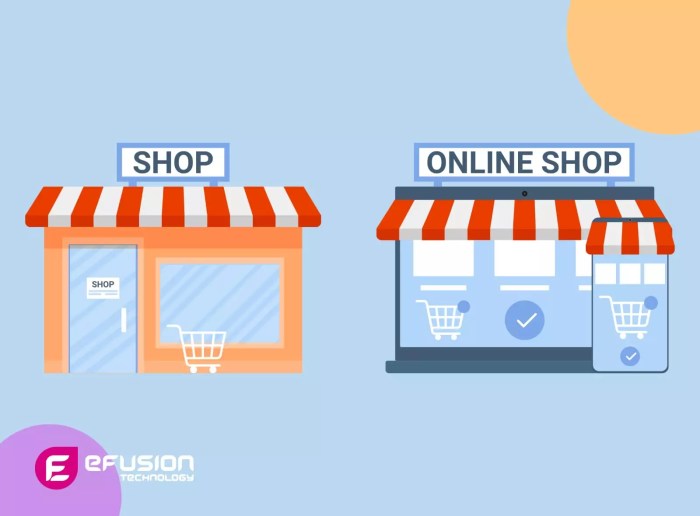
The concept of eCommerce has evolved dramatically over the years, transforming the way consumers shop and businesses operate. Initially, eCommerce was limited to basic online transactions, but advancements in technology have drastically enhanced its capabilities. Today, eCommerce encompasses a wide array of services, including online marketplaces, subscription models, and digital content distribution.Successful eCommerce businesses like Amazon, Alibaba, and eBay have implemented robust strategies that leverage data analytics, personalized marketing, and efficient supply chain management.
These companies utilize algorithms to recommend products based on consumer behavior, enhancing the shopping experience and driving sales. Additionally, technological advancements such as mobile commerce, secure payment gateways, and improved logistics have played a pivotal role in shaping the eCommerce landscape.
Technological Advancements Shaping eCommerce
Technological innovations have been fundamental in reshaping eCommerce. These advancements include:
- Mobile Optimization: The rise of smartphones has led to an increase in mobile shopping, prompting businesses to optimize their websites and apps for mobile users.
- Artificial Intelligence: AI is used for customer service chatbots, predictive analytics, and personalized shopping experiences, making eCommerce more efficient and user-friendly.
- Blockchain Technology: This technology enhances security and transparency in transactions, building consumer trust in online platforms.
- Augmented Reality: AR allows customers to visualize products in their own space, making online shopping more interactive and engaging.
Brick and Mortar Overview
Brick and mortar stores represent the traditional retail model, where businesses operate physical locations to sell products or services directly to customers. This model has significant cultural and economic importance, providing tangible shopping experiences and fostering community connections.However, brick and mortar retailers face key challenges in today’s market, including increased competition from eCommerce, changing consumer preferences, and rising operational costs.
To adapt, many physical retailers are embracing digital trends by integrating online shopping options and enhancing in-store experiences.
Challenges Faced by Brick and Mortar Retailers
The challenges that brick and mortar retailers encounter include:
- Competition from eCommerce: Online retailers often offer lower prices and greater convenience, drawing customers away from physical stores.
- Rising Costs: Maintaining physical locations incurs significant overhead costs, including rent, utilities, and staffing.
- Changing Consumer Behavior: Shoppers increasingly prefer the convenience of online shopping, leading to declining foot traffic in stores.
- Supply Chain Disruptions: Economic factors and global events can impact inventory availability, complicating retail operations.
Business Innovation in Retail
Both eCommerce and brick and mortar businesses are adopting innovative strategies to enhance their operations and meet customer demands. For instance, eCommerce platforms leverage data analytics to personalize customer experiences, while brick and mortar stores are using technology to improve in-store interactions.
Technological Transformations in Customer Experience
Technology has significantly transformed customer interactions in both sectors through:
- Personalized Marketing: Utilizing data to tailor marketing messages and product recommendations to individual preferences.
- Seamless Omnichannel Experiences: Integrating online and offline shopping experiences so customers can shop however they prefer.
- Improved Customer Service: Chatbots and AI-driven customer service tools streamline support in eCommerce, while brick and mortar stores adopt mobile point-of-sale systems to enhance service.
International Business Implications
The global reach of eCommerce far surpasses that of traditional brick and mortar retail. Online platforms can easily tap into international markets, but both models face unique challenges when expanding abroad.
Opportunities and Challenges of International Expansion
International expansion presents both opportunities and challenges for eCommerce and brick and mortar retailers. Key considerations include:
- Cultural Understanding: Adapting marketing strategies to cater to local customs and consumer behaviors is critical for success.
- Regulatory Compliance: Navigating different laws and regulations can pose challenges, particularly for eCommerce businesses.
- Logistics and Distribution: Efficient supply chain management is essential to meet international demand while managing costs.
Business Interviews and Insights
Insights from industry leaders provide valuable perspectives on the evolving landscape of retail. Interviews with executives from both eCommerce and brick and mortar sectors reveal common themes in successful strategies and future trends.
Themes and Strategies from Industry Experts
Common themes identified by industry experts include:
- Adaptability: Businesses must be willing to pivot and adapt to changing market conditions and consumer preferences.
- Emphasis on Customer Experience: Both sectors prioritize enhancing the overall customer journey to retain loyalty.
- Innovation as a Driver: Continuous innovation in products and services is crucial for sustaining competitive advantage.
Last Recap
In summary, the comparison between eCommerce and brick and mortar reveals the dynamic nature of retail today. As technology continues to advance and consumer preferences shift, both models must innovate and adapt to thrive. Whether you prefer the immediacy of traditional shopping or the convenience of online platforms, understanding these trends can help shape your approach to retail, whether as a consumer or a business owner.
FAQ Summary
What are the main advantages of eCommerce?
The main advantages of eCommerce include convenience, a broader reach to global markets, lower operational costs, and the ability to easily analyze customer data for targeted marketing.
How do brick and mortar stores compete with eCommerce?
Brick and mortar stores compete by providing personalized customer service, a tactile shopping experience, immediate product availability, and community engagement.
Can brick and mortar businesses succeed with an online presence?
Yes, many brick and mortar businesses have successfully expanded their reach and sales by establishing an online presence, allowing them to attract a wider audience and enhance customer convenience.
What role does technology play in traditional retail?
Technology plays a crucial role in traditional retail by improving inventory management, enhancing customer engagement through digital tools, and facilitating omnichannel shopping experiences.
Is eCommerce only for large businesses?
No, eCommerce is accessible to businesses of all sizes, including small and local enterprises, allowing them to reach customers beyond their immediate geographic area.